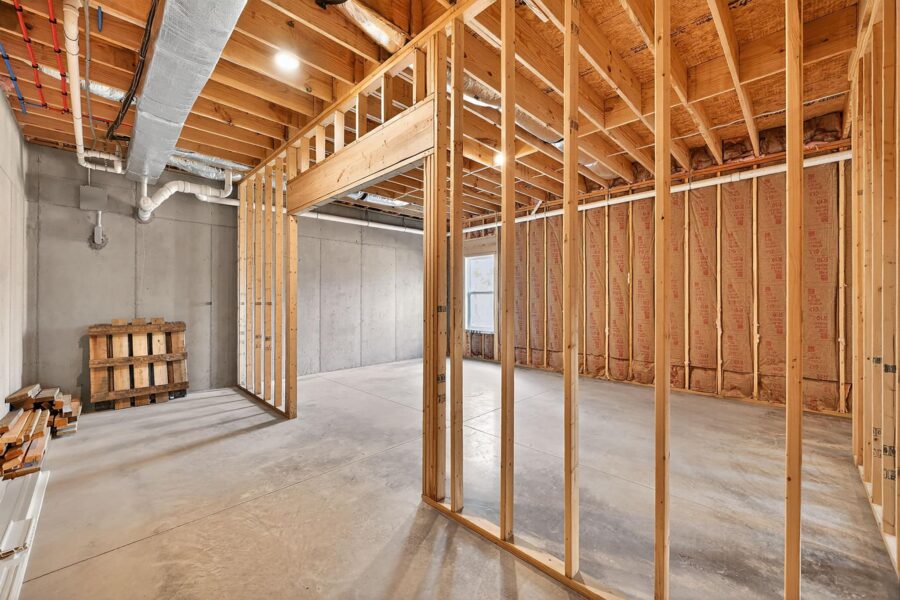
Poured Concrete vs. Cinder Block Basement Walls: Why We Choose Poured for Superior Strength and Moisture Resistance
When building a custom home in East Tennessee, few decisions impact long-term comfort and durability more than the type of basement walls you choose. Homeowners often ask us about the difference between traditional cinder block (also called CMU) walls and poured concrete walls. At Idell Construction, a family-owned residential contractor serving Greeneville and Greene County for over 35 years, we have a clear preference: poured concrete basement walls.
We choose poured walls because they deliver superior strength and moisture resistance—two factors that directly affect how dry, stable, and valuable your finished basement remains for decades.
Understanding the Two Foundation Wall Options
Cinder block basement walls are built by stacking concrete masonry units and bonding them with mortar joints. This method has been used for generations and can be a cost-effective choice in certain applications. However, the many mortar joints create potential weak points.
Poured concrete basement walls are created by placing concrete into temporary forms on-site, usually reinforced with rebar. The result is a single, monolithic structure with no mortar joints. This modern approach has become the standard for quality custom homes across East Tennessee.
Strength Comparison: Why Poured Walls Excel
Basement walls must resist significant lateral pressure from surrounding soil and water. In our region, clay-heavy soils and seasonal moisture changes can exert substantial force against foundation walls.
Poured concrete walls offer better lateral strength because they form one continuous piece. There are no joints that can shift, crack, or separate over time. Properly engineered poured walls handle soil pressure more reliably, reducing the risk of bowing or structural issues years down the road.
While cinder block walls can achieve good compressive strength when fully grouted and reinforced, they generally require more additional measures to match the lateral performance of a well-designed poured wall. For custom homes where we want foundations built to last generations, poured concrete gives us greater confidence and peace of mind.
Moisture Resistance: The Clear Advantage for Tennessee Homes
East Tennessee receives significant rainfall and experiences high humidity. A dry basement is essential—especially if you plan to finish the space for a family room, home office, or additional living area.
This is where poured concrete truly shines. With no mortar joints, there are far fewer paths for water to penetrate. When we apply modern exterior waterproofing membranes and pair the walls with proper drainage systems (including drain tile and gravel), poured walls create a more reliable barrier against moisture intrusion.
Cinder block walls, by contrast, have dozens of joints that must be perfectly sealed. Even with parging, waterproof coatings, and drainage, these joints remain potential entry points for water over time. Many homeowners with older block basements eventually deal with seepage or efflorescence, but walls that are poured are far less likely to experience it.
Cost, Installation, and Long-Term Value
Cinder block foundations sometimes carry a lower upfront material cost and can be installed relatively quickly in certain conditions. However, the total cost of ownership often favors poured concrete. Fewer future repairs, better waterproofing performance, and stronger structural integrity translate into lower long-term expenses and higher home value.
At Idell Construction, we focus on turnkey custom homes built with integrity. We believe choosing poured basement walls aligns with our mission: “We do what is right and treat people right and with love.” Investing in the stronger, more moisture-resistant option upfront protects your family’s investment and supports the legacy of quality we strive to build in every project.
Why Idell Construction Prefers Poured Concrete Basement Walls
Our team has extensive experience with both methods across custom homes and barndominiums throughout Greene County. Time and again, poured concrete delivers the performance our clients deserve—stronger walls, drier basements, and fewer concerns for years to come.
We also appreciate the cleaner, more consistent finish that poured walls provide when it’s time to insulate, frame, and finish the basement space. For families planning to use their lower level as living space, this matters.
Of course, every building site is unique. Soil conditions, water table, and specific design goals all play a role. That’s why we evaluate each project individually and explain the options clearly so you can make an informed decision.
Building Strong Foundations for Your Family’s Future
At Idell Construction, we often say we’re building strong foundations—both literally under your home and as part of the legacy you pass to your children. Choosing poured concrete basement walls is one practical way we put that belief into action.
If you’re planning a custom home with a basement in East Tennessee and want to discuss foundation options, we’d love to talk. Our in-house design team and experienced crew can walk you through the details, provide transparent budgeting, and help you build a home that stands strong for generations.
Contact Idell Construction today to schedule a consultation. Let’s build something lasting together—starting from the ground up.
Serving Greeneville, Greene County, and the surrounding areas of East Tennessee with quality craftsmanship and honest service since 1987.