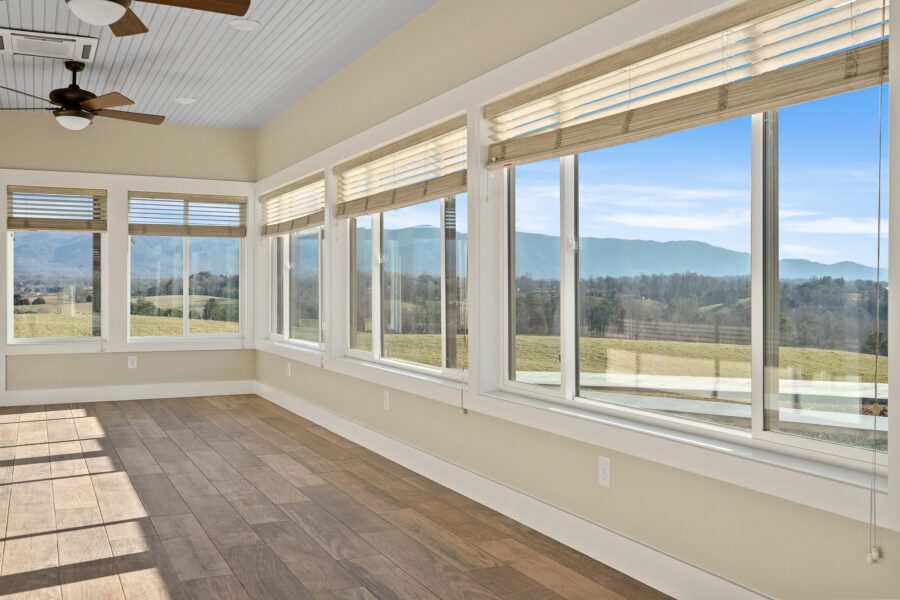
Choosing Windows for Your New Home: Types, Energy Efficiency, and Building Code Guide
Choosing the right windows for your new home plays a major role in comfort, energy efficiency, security, and overall design. The right window selection impacts everything from natural light and ventilation to long-term energy savings and curb appeal. For homeowners in East Tennessee, selecting the best energy-efficient windows and understanding building code requirements can make a significant difference in both performance and value.
Windows are more than just openings in your walls—they define the character of your home while improving airflow, providing emergency egress, and increasing visibility for safety.
Understanding Window Types and Operation Options
When selecting the best window types for a new home, function matters just as much as appearance. Each room may require a different style depending on ventilation, accessibility, and layout.
Single-Hung Windows
A cost-effective option, single-hung windows feature a fixed upper sash and a movable lower sash. These are commonly used in bedrooms and standard living spaces where simple ventilation is sufficient.
Double-Hung Windows
Double-hung windows allow both sashes to move, offering better airflow and easier cleaning. These are one of the most popular choices for homeowners due to their versatility and low maintenance.
Casement Windows
Hinged on one side and operated with a crank, casement windows provide excellent ventilation and unobstructed views. These are ideal for capturing cross breezes and maximizing airflow.
Sliding (Gliding) Windows
Perfect for wider openings, sliding windows move horizontally and are often used in modern home designs or spaces with limited vertical clearance.
Awning Windows
Because they open outward from the top, awning windows allow for ventilation even during light rain, making them a great choice for bathrooms and basements.
Fixed (Picture) Windows
Designed purely for aesthetics and natural light, picture windows do not open. These are commonly used to highlight views or bring in maximum daylight.
Window Design Features: Grilles, Mullions, and Style Options
Adding window grilles or mullions can dramatically change the appearance of your home. Whether you prefer a traditional or modern design, options include:
-
Prairie-style grids
-
Colonial patterns
-
Top-row grilles
-
Custom layouts
Grilles can be installed externally or placed between glass panes for easier cleaning and maintenance.
Building Codes for Windows: What Homeowners Need to Know
When installing windows in a new home, building codes play a critical role in safety and compliance. The International Code Council (ICC) outlines requirements for:
Egress Windows
Bedrooms and certain living areas must include egress windows that:
-
Meet minimum size requirements
-
Open easily from the inside
-
Allow safe exit during emergencies
Tempered Glass Requirements
Certain areas require tempered glass windows, including:
-
Bathrooms
-
Near doors
-
Low-height installations
Tempered glass is designed to break into small, less dangerous pieces, reducing the risk of injury.
At Idell Construction, we integrate all window building code requirements into the design process, ensuring your home is both safe and compliant from the start.
Energy-Efficient Windows for Tennessee Homes
Energy efficiency is one of the most important factors when choosing windows for a new home in Tennessee. Poorly insulated windows can lead to heat loss in winter and excessive heat gain in summer.
Low-E Glass and Argon Gas
We install Low-E vinyl windows with argon gas, which helps:
-
Reflect heat away during summer
-
Retain warmth during colder months
-
Reduce energy bills year-round
Why Vinyl Window Frames Are Preferred
Compared to wood or aluminum, vinyl windows offer:
-
Better insulation performance
-
Lower maintenance
-
Resistance to moisture and warping
Understanding NFRC Ratings (Why They Matter)
Windows are rated by the National Fenestration Rating Council (NFRC), providing key performance metrics:
-
U-Factor – Measures heat transfer (lower is better)
-
Solar Heat Gain Coefficient (SHGC) – Controls heat from sunlight
-
Visible Transmittance (VT) – Amount of natural light entering
Choosing windows with the right ratings ensures optimal performance for the East Tennessee climate, where both hot summers and cool winters impact energy usage.
Window Treatments: Finishing Your Interior Design
Once your windows are installed, the right window treatments complete the look and improve functionality.
Curtains and Drapes
Add softness, color, and style while offering light control and privacy. Blackout options are ideal for bedrooms.
Blinds
Available in wood, faux wood, or metal, window blinds offer precise light control and durability.
Shades
Options like cellular, roller, and Roman shades provide insulation and a clean, modern appearance.
Shutters
A long-lasting solution that offers excellent privacy, insulation, and a classic design aesthetic.
Choosing the Right Windows for Your Home
Selecting the best windows for your new construction home involves balancing:
-
Function and ventilation
-
Energy efficiency
-
Building code compliance
-
Aesthetic design
-
Long-term durability
At Idell Construction, we guide homeowners through every step—from selecting energy-efficient window options to ensuring compliance with local codes and climate needs.