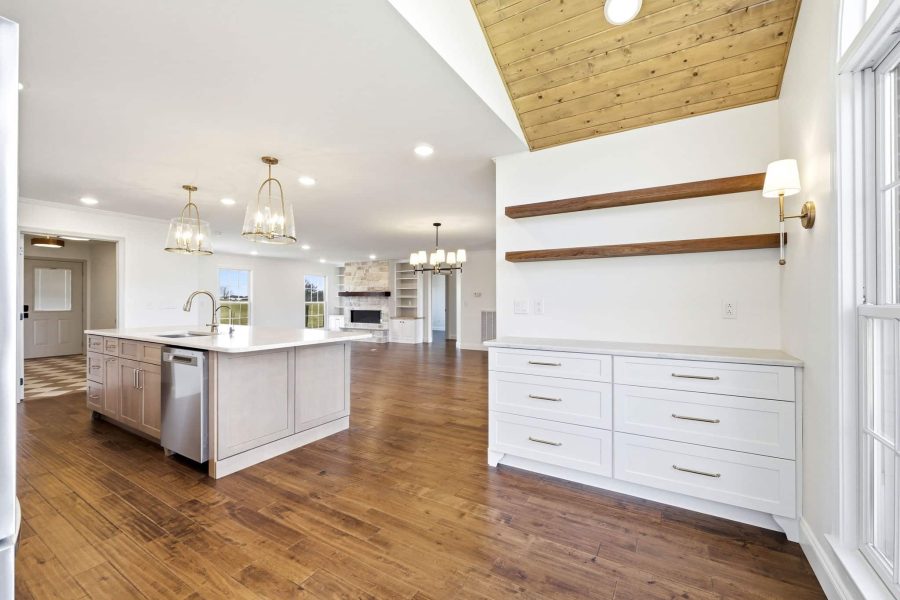
Top 11 Questions For A Custom Home Builder
Building a custom home is one of the most significant investments most families will ever make. The right residential contractor can turn your vision into a well-built, lasting home. The wrong one can leave you with delays, surprise costs, and frustration. Before you sign any contract, take the time to ask clear, specific questions. A professional custom home builder will welcome them.
Here are the most important questions to ask—and why each one matters.
1. How Long Have You Been Building Custom Homes in This Area?
Experience in your specific region matters. Local knowledge of soil conditions, weather patterns, permitting processes, and building officials can prevent costly surprises. Ask how many custom homes the company has completed in the last few years and whether they can provide recent client references in your area. A builder who has worked steadily in East Tennessee understands the unique demands of our climate and local codes.
2. Are You Properly Licensed and Insured?
Verify that the company holds a current Tennessee contractor license appropriate for the scope of work. Request proof of general liability insurance and workers’ compensation coverage. Ask who is responsible if a subcontractor is injured on the job or if property damage occurs. A reputable home builder will provide this documentation without hesitation.
3. Who Will Manage My Project Day-to-Day?
Find out whether you will work primarily with the owner, a dedicated project manager, or rotating crew leaders. Clear lines of communication prevent misunderstandings. Ask how often you can expect progress updates and whether site visits are welcome. Consistent, accessible management is one of the strongest indicators of a smooth building experience.
4. Can You Walk Me Through Your Typical Construction Process and Timeline?
Request a high-level outline of the major phases—from site preparation and foundation through framing, mechanicals, finishes, and final walkthrough. Ask about realistic timelines for a home of similar size and complexity to yours. Understanding the sequence helps you plan temporary housing, financing draws, and personal schedules. Be wary of promises that sound unrealistically fast.
5. How Do You Handle Changes and Allowances?
Change orders are common in custom home projects. Ask how the builder documents and prices changes, how long it typically takes to approve them, and whether there is a markup on materials or labor. Clarify what is included in standard allowances for items such as flooring, lighting, and fixtures—and what happens if actual costs exceed those allowances. Transparent change-order processes protect both parties.
6. Is the Contract Fixed-Price or Time-and-Materials (T&M)?
This is one of the most important cost questions you can ask. A fixed-price (or lump-sum) contract gives you a set total for the defined scope of work, offering greater cost certainty. A time-and-materials contract bills actual labor hours and material costs plus a markup. Ask which structure the builder prefers, why, and how each would apply to your project. Clarify markup percentages on T&M work, how changes are priced under a fixed contract, and whether a hybrid approach is available. Understanding the difference helps you weigh budget predictability against flexibility.
7. What Is Included in the Contract Price—and What Is Not?
Request a detailed breakdown. Does the price include site work, septic or utility connections, appliances, landscaping, or only the structure itself? Ask about potential additional costs that commonly arise, such as rock excavation, engineered fill, or upgraded energy-efficiency features. A clear scope of work reduces the risk of budget overruns later.
8. How Do You Select and Manage Subcontractors?
Most custom home builders rely on specialty trades for electrical, plumbing, HVAC, and other systems. Ask how the company chooses these partners, whether they have long-term relationships with preferred trades, and who is ultimately responsible for the quality of their work. Consistent, reliable subcontractors contribute directly to schedule reliability and finished quality.
9. What Warranty Do You Provide, and How Is It Serviced?
Understand the length and coverage of the builder’s warranty on workmanship and materials. Ask who handles warranty service calls after you move in and how quickly issues are typically addressed. A solid warranty backed by a responsive process gives long-term peace of mind.
10. Can You Share Recent Client References and Completed Projects?
Speak with past clients about communication, adherence to schedule and budget, and overall satisfaction. If possible, visit completed homes of similar style or size. Seeing the quality of finishes, attention to detail, and how the home has held up over time offers valuable insight that no brochure can provide.
11. Why Should We Choose Your Company Over Others?
This open-ended question often reveals a builder’s true priorities. Listen for emphasis on craftsmanship, communication, problem-solving, and long-term relationships rather than simply the lowest price. A builder who talks about treating clients fairly and standing behind their work is more likely to deliver a positive experience.
Asking these questions does more than gather information—it helps you evaluate whether the builder’s approach aligns with your expectations. Take notes, compare answers, and trust your instincts about clarity and professionalism.
At Idell Construction, we believe informed clients make the best partners. We welcome these conversations because transparency builds the trust required for a successful custom home project. If you are considering building in East Tennessee and would like to discuss your plans, we would be glad to answer every question on this list—and any others you may have.