Why 5/8″ Roof Sheathing Is the Best Option for Modern Homes
When it comes to your home’s structural integrity, roof sheathing is a significant contributor. Roof sheathing, also known as decking or transition material, not only provides the shear necessary to prevent the twisting or warping of a structure’s framing, but also creates the flat surface necessary to support the underlayment and finished roofing material, whether it be shingles or metal. While homeowners often weigh the different options for roofing color or style, the sheathing beneath ultimately determines a roof’s lasting quality.
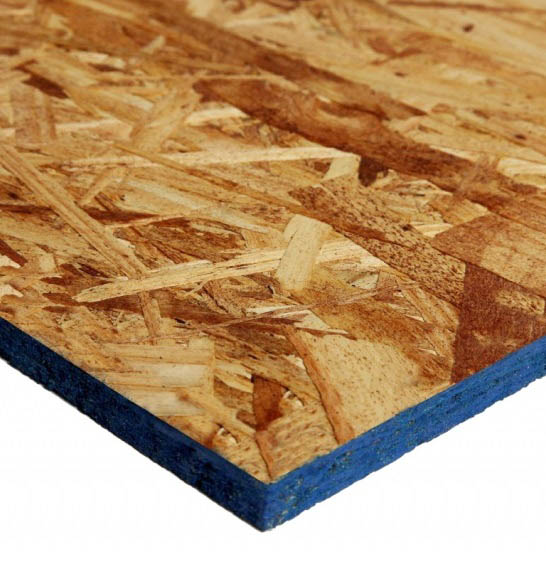
In the construction industry, 5/8″ CDX plywood or OSB (Oriented Strand Board) has become the preferred standard for the sheathing of a high-quality roof. Thinner boards may once have been the industry standard, but 5/8″ material offers a balanced solution for weight, cost, and structural rigidity desired for more durable structures and is often required by modern building codes. This is why at Idell Construction, we choose to use 5/8” sheathing as the foundation for our new builds.
The Advantages of Using 5/8″ Sheeting
There are several reasons why Idell Construction chooses to use 5/8″ OSB sheathing material instead of thinner alternatives:
-
Lasting Structural Strength
The primary advantage of 5/8” material is that it is stiffer. Typically, rafters are laid out on 24 inches center-to-center, and thicker panels can span this layout without sagging. This extra thickness not only creates the reassuring feeling of a solid roof, but also resists the natural warping that occurs over time due to heat and moisture.
-
Better Nail Retention
Whether nails in shingles or screws in metal, fasteners need something to securely bite into, and a 5/8” board offers more material for a tighter, stronger result. Believe it or not, this extra 3/16″ of thickness significantly increases the wind uplift rating of a roof, often making all the difference in high wind conditions common in our area.
-
Load Bearing for Snow and Ice
Though heavy snow loads are uncommon in our area, 5/8″ sheathing can provide the necessary support to ensure the roof deck doesn’t sag under the weight of unexpected snow accumulation. If allowed to sag because of inferior decking material, the roof’s ability to properly drain may be compromised leading to leaking and integrity issues.
-
Longer Lasting Curbside Appeal
An older roof can often produce a condition called “picture framing,” in which you can see the outline of every rafter beneath the shingles. This often happens because over time thin decking has a tendency to sag between rafters. 5/8″ sheathing stays flatter for longer, keeping your roofline looking crisp and beautiful for decades.
Alternatives to 5/8″ Roof Sheathing
While 5/8″ is the standard for roof sheathing on Idell Construction builds, it isn’t the only option available in the building industry. Depending on budget, local building codes, and the specifications of the architectural design, you may see these other alternatives being used:
-
7/16″ OSB or Plywood
This is the most common alternative and is often the “builder grade” standard.
- Pros: It is significantly lighter and less expensive than 5/8″.
- Cons: It is more prone to sagging, especially if rafters are spaced 24 inches apart. Most contractors will recommend “H-clips” to provide extra support between the joints if using 7/16″ material.
-
3/4″ Plywood (The Heavy-Duty Choice)
In some cases of personal choice or structures with very heavy roofing materials (like slate or thick clay tiles), 3/4″ decking is used.
- Pros: Maximum strength and virtually zero flex.
- Cons: It is very heavy and much more expensive, often requiring a beefier truss system to handle the dead weight of the wood itself.
-
Radiant Barrier Sheathing
Since it is generally only available in 5/8″ thickness, this is really just a different type of sheathing. Radiant barrier panels (like TechShield) have a thin layer of aluminum foil laminated to one side.
- Benefits: It can reflect up to 97% of radiant heat, significantly lowering attic temperatures in the summer.
-
Tongue and Groove (T&G) Decking
Often used in homes with exposed ceilings or timber frames, T&G planks provide a beautiful aesthetic from the underside.
- Pros: Incredible strength and a finished look.
- Cons: Much more labor-intensive and expensive than standard sheet goods. Additionally, this design does not allow for the added efficiency of an insulated attic.
Why We Choose 5/8” Roof Sheathing
At Idell Construction, we’ve determined that the small increase in material cost for the thicker 5/8″ panels is always worth the investment. 5/8” sheathing not only provides a more stable platform for your roofing materials, improves safety for anyone walking on the roof, and ensures your home remains protected against the elements, it also guarantees a beautiful looking home for years to come.